


The Silent Guardians: How AI is Transforming Mobile Anti-Scam Protection

In the current digital era, the frequency of fraudulent calls and deceptive messages has reached unprecedented levels. Scammers have become increasingly sophisticated, using advanced techniques to impersonate trusted institutions and individuals. However, the latest advancements in mobile operating systems are turning the tide. Both Android and iOS have integrated native artificial intelligence filters designed to identify and block these threats in real-time, providing a robust layer of defense for users worldwide.

Android's Proactive Defense: The Power of Gemini Nano
Google has taken a significant step forward with the introduction of on-device AI models like Gemini Nano. This technology allows Android devices to analyze conversation patterns during a live call without compromising user privacy. The system listens for specific indicators of fraudulent activity, such as urgent requests for money transfers, demands for gift card codes, or suspicious inquiries regarding personal banking details.
One of the most impressive features is Scam Detection for calls. When the AI identifies a suspicious pattern, it immediately triggers a visual and haptic alert on the screen, warning the user that the caller might be a fraudster. This real-time analysis is performed entirely on the device, ensuring that the content of the conversation is never sent to Google's servers.
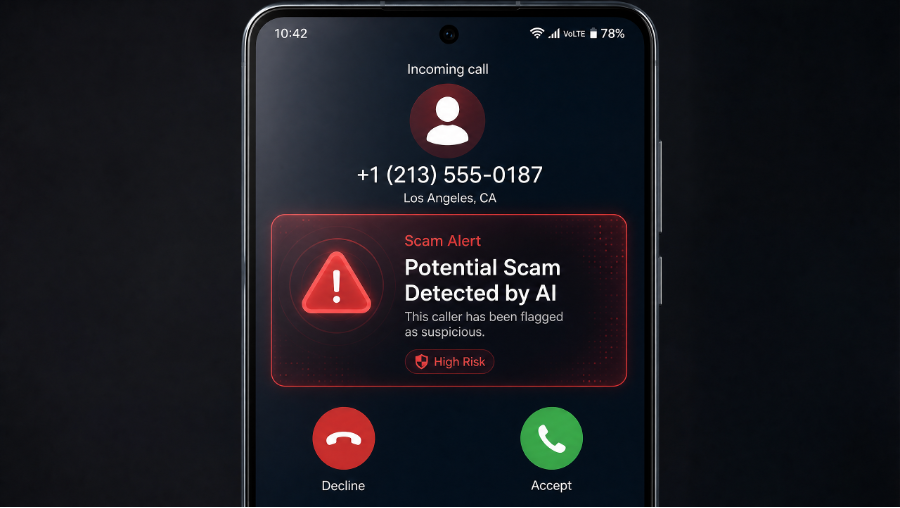
Furthermore, Android has introduced Fake Call Detection, which specifically targets deepfake audio. As scammers begin to use AI-generated voices to impersonate family members or colleagues, this tool analyzes the acoustic properties of the voice to determine its authenticity.
Apple's Integrated Security: Live Voicemail and Beyond
Apple has also fortified its ecosystem with native features that leverage machine learning to protect users. A standout feature is Live Voicemail, which allows users to see a real-time transcription of a caller's message as they are speaking. This enables the user to evaluate the legitimacy of the call before deciding whether to answer. If a scammer is reading a script about a supposed "urgent account issue," the user can see the red flags immediately.

With the rollout of Apple Intelligence, the iPhone's ability to filter messages has also improved. The system can now summarize notifications and prioritize important messages, while simultaneously flagging suspicious texts that contain phishing links or fraudulent claims. By analyzing the context and the sender's history, the OS can effectively isolate potential threats before they reach the user's primary inbox.
The Evolution of Spoofing Protection
Spoofing, the practice of disguising a phone number to make it appear as if it is coming from a trusted source, remains a major challenge. Modern operating systems are now collaborating more closely with carriers to verify the origin of calls. Features like Silence Unknown Callers on iOS and Call Screen on Android provide a first line of defense, but the real breakthrough lies in the AI's ability to understand the intent behind the communication.
Feature | Platform | Primary Function | AI Implementation |
Scam Detection | Android | Real-time call analysis | Gemini Nano (On-device) |
Live Voicemail | iOS | Real-time transcription | Neural Engine |
Call Screen | Android | Interactive screening | Google Assistant |
Smart Filtering | iOS/Android | Message categorization | Natural Language Processing |
Unlike traditional blacklists that rely on reported numbers, these AI-driven systems focus on behavior. This is crucial because scammers frequently rotate their numbers to bypass simple blocking lists. By focusing on the content and the patterns of the interaction, mobile devices can now offer protection against even the newest and most creative scam tactics.
The integration of native AI filters into mobile operating systems represents a significant advancement in the fight against digital fraud. As these models continue to evolve, our devices are becoming more than just communication tools; they are becoming intelligent guardians of our personal information. While no system is perfect, the proactive approach taken by Google and Apple is making it increasingly difficult for scammers to succeed, ushering in a new era of mobile security and user peace of mind.
Reference Videos
Google AI Scam Detection for Android: Watch on YouTube
How Android's New AI Feature Blocks Scam Calls: Watch on YouTube Shorts
MKBHD: The Future of Spam Call Detection: Watch on YouTube
Comments