


The Rise of Synthetic Content: Industry Reports Reveal Nearly 60% of TikTok Videos Are AI-Generated or Substantially Modified

Recent industry reports highlight a significant surge in synthetic content, with platforms like TikTok at the forefront of this phenomenon. This article delves into the findings of a pivotal study, exploring the implications of AI-generated and modified videos on user experience, content authenticity, and the broader digital ecosystem.
The Kapwing Report: A Deep Dive into TikTok's AI Content Saturation
A comprehensive study conducted by the online video editing platform Kapwing in June 2026 has brought to light startling statistics regarding the prevalence of AI-generated content on TikTok. The report, which analyzed over 10,000 TikTok videos across 20 popular categories, revealed that nearly 59% of videos served to a brand-new TikTok account are AI-generated or substantially modified [1] [2]. This figure represents a dramatic increase in synthetic media, significantly outpacing other platforms, with YouTube Shorts, for instance, showing approximately 21% AI-generated content in a similar context [1].
The study defined "AI slop" as videos withobvious AI-generated visuals or low-quality compilations using clearly AI-generated scripts and voiceovers [2]. This definition underscores the often-subpar quality of much of this synthetic content, which can be easily identifiable by human viewers.
Disproportionate Impact on Children's Content
One of the most concerning findings of the Kapwing report is the disproportionate impact of AI-generated content on videos targeted at children. The study found that 57% of videos in TikTok's Kids category qualified as AI slop, making it the highest rate among all examined categories [2]. This issue is further exacerbated within specific hashtags:
Hashtag | Percentage of AI-Generated Content |
97% | |
83% | |
83% | |
79% |
These statistics are particularly alarming, as they suggest that young, impressionable audiences are being exposed to a vast amount of machine-generated content, often characterized by bizarre scenarios, factual errors in educational lessons, synthetic voices, and inconsistent animations [2]. Dr. Dana Suskind, a professor of paediatrics at the University of Chicago, described this phenomenon as "toddler AI misinformation at an industrial scale," raising serious concerns about the potential for misleading information to shape early childhood development [2].

Other Heavily Affected Categories
Beyond children's content, several other categories on TikTok are significantly impacted by AI-generated material. The Kapwing report identified the following:
Science and Education: 35% AI-generated content
Health: Nearly 34% AI-generated content
History: Approximately 34% AI-generated content
These categories are particularly vulnerable because accuracy and authenticity are paramount. While a poorly generated comedy skit might be easily dismissed, a history lesson filled with fabricated details or a health video presenting misleading advice can have far-reaching negative consequences [2]. In contrast, categories like fitness, music, and fashion showed minimal AI-generated content, each remaining below two percent [2].
The Nature of AI-Generated Content vs. Human Content
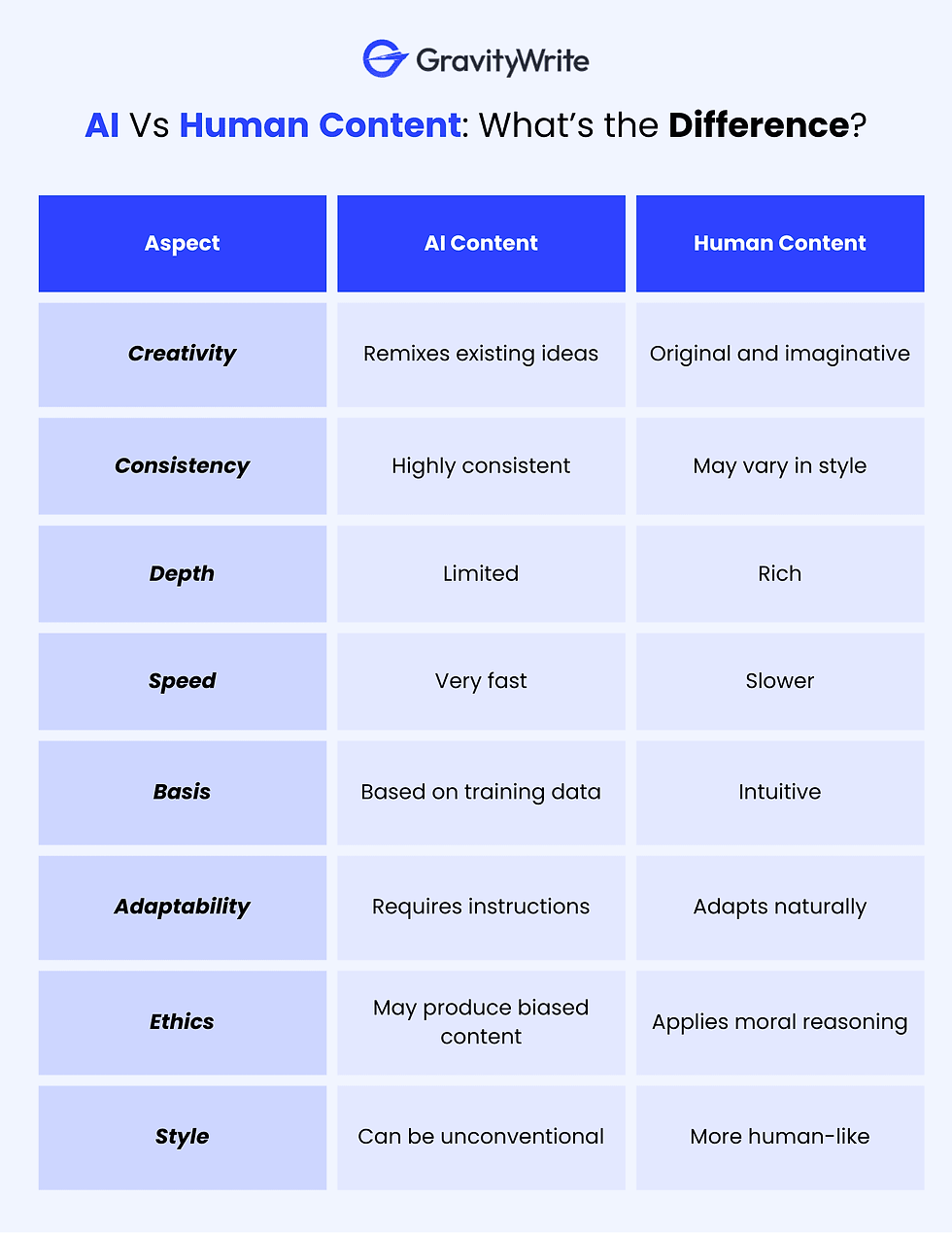
The proliferation of AI-generated content raises fundamental questions about authenticity and creativity. While AI can imitate human-like content, there are often subtle, and sometimes overt, differences that distinguish it from human-created media. The following table highlights some key distinctions:
Aspect | AI Content | Human Content |
Creativity | Often remixes existing ideas, highly consistent | Original and imaginative, may vary in style |
Depth | Limited, based on training data | Rich, intuitive, applies moral reasoning |
Speed | Very fast, high volume production | Slower, focuses on quality |
Adaptability | Requires instructions, can be unconventional | Adapts naturally, more human-like |
Platform Responses and Challenges
Social media platforms are grappling with the rapid influx of AI-generated content. TikTok, in particular, has implemented measures to address the issue. In November 2025, the platform introduced controls allowing users to adjust the amount of AI-generated content in their feeds [2]. Furthermore, TikTok has invested in AI literacy initiatives and has the capability to attach metadata to content, enabling it to recognize and label AI-generated content automatically [3].
However, the effectiveness of these measures is debated. The Kapwing study suggests that passive controls alone are insufficient, as the volume of AI slop reaching new users has not been meaningfully reduced [2]. The challenge lies in the sheer volume of content being produced, where the incentive structure often rewards quantity over quality. If creators can generate dozens of videos in the time it once took to make one, platforms risk becoming saturated with technically watchable but ultimately unsubstantial content [2].
Regulatory Scrutiny and Legal Implications
The rise of AI-generated content also brings significant regulatory and legal challenges. Platforms like TikTok are facing increasing scrutiny, particularly concerning children's content. For instance, Florida has sued TikTok under its child social media law, alleging that the platform allowed minors onto the app and misled parents about the available content [2]. The findings of the Kapwing report add another layer to these concerns, highlighting that even when children are legally on the platform, they may be exposed to overwhelmingly low-quality, machine-generated material.
The Broader Landscape of Synthetic Media
The phenomenon of synthetic content extends beyond TikTok. AI-generated content is also flooding music streaming platforms, with services like Deezer flagging over 20,000 fully AI-generated tracks daily [2]. The synthetic media market itself is experiencing significant growth, with projections indicating a substantial increase in market size in the coming years [4] [5]. This growth underscores the increasing sophistication and accessibility of AI tools for content creation, making it easier for individuals and entities to produce synthetic media at scale.
The proliferation of AI-generated and modified content on platforms like TikTok represents a critical juncture in the evolution of digital media. While AI offers immense potential for creativity and innovation, its unchecked use also poses significant challenges related to authenticity, misinformation, and user experience, particularly for vulnerable populations like children. The Kapwing report serves as a stark reminder of the urgent need for platforms, policymakers, and users to collectively address these issues. Moving forward, fostering AI literacy, implementing robust content moderation strategies, and promoting responsible AI development will be crucial in navigating the complex landscape of synthetic content and ensuring a healthy digital environment for all.
References
[1] Lovejoy, B. (2026, June 22). 60% of TikTok videos are AI slop; 21% of YouTube ones. 9to5Mac. https://9to5mac.com/2026/06/22/60-of-tiktok-videos-are-ai-slop-21-of-youtube-ones/
[2] The Next Web. (2026, June 21). Nearly 60% of TikTok videos shown to new users are AI slop, study finds. https://thenextweb.com/news/tiktok-ai-slop-59-percent-new-users-kapwing-study
[3] ABC News. (n.d.). TikTok to automatically label AI-generated content. https://abcnews.com/US/tiktok-automatically-label-ai-generated-content/story?id=110036296
[4] SNS Insider. (2025, July 18). Synthetic Media Market Size, Share & Growth | Industry Report. https://www.snsinsider.com/reports/synthetic-media-market-7898
[5] Dataintelo. (n.d.). AI-Generated Content Market Research Report 2034. https://dataintelo.com/report/ai-generated-content-market
Video References
TikTok's Official AI Safety Video: https://www.youtube.com/watch?v=0QjJ_b4t4e8
ABC News on TikTok Labeling AI Content: https://abcnews.com/US/tiktok-automatically-label-ai-generated-content/story?id=110036296
Comments