


The Invisible Frontline: API Security and Software Supply Chain Transparency in 2026

As we navigate through 2026, the digital ecosystem has reached a critical inflection point. The rapid acceleration of digital transformation, fueled by the integration of Agentic AI and the proliferation of microservices, has fundamentally altered the attack surface. Today, Application Programming Interfaces (APIs) are no longer just technical connectors; they have become the primary nervous system of modern business operations and, consequently, the most exploited attack vector in the cybersecurity landscape.
The complexity of modern applications, which often rely on hundreds of third-party components and external services, has made the Software Supply Chain a prime target for sophisticated threat actors. In this environment, transparency is no longer a luxury but a regulatory and operational necessity. The emergence of mandatory Software Bill of Materials (SBOM) requirements marks a new era of accountability, where organizations must possess a granular understanding of every component within their software stack.
The API Paradox: Connectivity vs. Vulnerability
APIs are the backbone of the modern web, enabling seamless data exchange and functional integration. However, this very connectivity is what makes them attractive to attackers. By 2026, malicious API traffic has surged, representing nearly 29% of all API requests globally [1].
Why APIs are the #1 Attack Vector
The shift toward API-centric architectures has outpaced traditional security measures. Several factors contribute to this trend:
Expanding Attack Surface: Every new API endpoint is a potential entry point. With the rise of AI agents that autonomously interact with APIs, the number of endpoints has exploded.
Complexity of Logic: Unlike traditional web vulnerabilities (like SQL injection), API attacks often exploit Broken Object Level Authorization (BOLA) and complex business logic flaws that automated scanners frequently miss [2].
Shadow APIs: Many organizations struggle with "Shadow APIs"—undocumented or legacy endpoints that remain active but unmonitored, providing a silent pathway for data exfiltration.
"The primary reason for the increase in API attacks is the surge in the number of APIs and the lack of visibility into where and how they are exposed." — Cyber Insights 2026 [3].

The Software Supply Chain: A Web of Hidden Risks
The software supply chain encompasses everything that goes into the creation and delivery of a software product—from the source code and build environment to the third-party libraries and deployment pipelines. In 2026, the risk is rarely in the code written in-house; it is hidden in the dependencies.
The Anatomy of a Supply Chain Attack
Attackers have shifted their focus "upstream." By compromising a single popular open-source library or a trusted vendor's build system, they can gain access to thousands of downstream organizations.
Attack Type | Description | Impact in 2026 |
Dependency Confusion | Tricking build systems into pulling malicious packages from public repositories instead of private ones. | High: Automated by AI-driven scanners. |
Typosquatting | Registering package names similar to popular ones (e.g., requests-py instead of requests). | Persistent: Targeting developers' speed. |
Compromised Maintainers | Hijacking the accounts of trusted open-source contributors to inject backdoors. | Critical: Hardest to detect without provenance. |

The Rise of Mandatory Transparency: The SBOM Era
In response to the escalating threats, 2026 has seen the implementation of landmark regulations, most notably the EU Cyber Resilience Act (CRA). This legislation has transformed the Software Bill of Materials (SBOM) from a recommended best practice into a legal mandate for any digital product marketed within the European Union [4].
What is an SBOM?
An SBOM is a nested inventory—a "list of ingredients"—for software. It provides a machine-readable record of all components, versions, and licenses used in an application.
"The CRA elevates the SBOM from a voluntary best practice to a legally required element of technical documentation, essential for conformity assessment and incident response." — OpenSSF [5].
The Strategic Value of SBOMs
Beyond compliance, SBOMs provide critical operational advantages:
Rapid Vulnerability Response: When a new vulnerability (like a "Log4j" equivalent) is discovered, an SBOM allows security teams to identify affected applications in seconds rather than weeks.
License Compliance: Ensuring that third-party components do not violate intellectual property or open-source licensing agreements.
Risk Assessment: Evaluating the "health" of dependencies, such as identifying end-of-life components or those with a history of poor security practices.

Securing the Future: Best Practices for 2026
To defend against the dual threats of API exploitation and supply chain compromise, organizations must adopt a "Security by Design" philosophy.
Implement Continuous API Discovery
You cannot secure what you do not know exists. Organizations must use automated tools to discover all API endpoints, including internal, external, and "zombie" APIs.
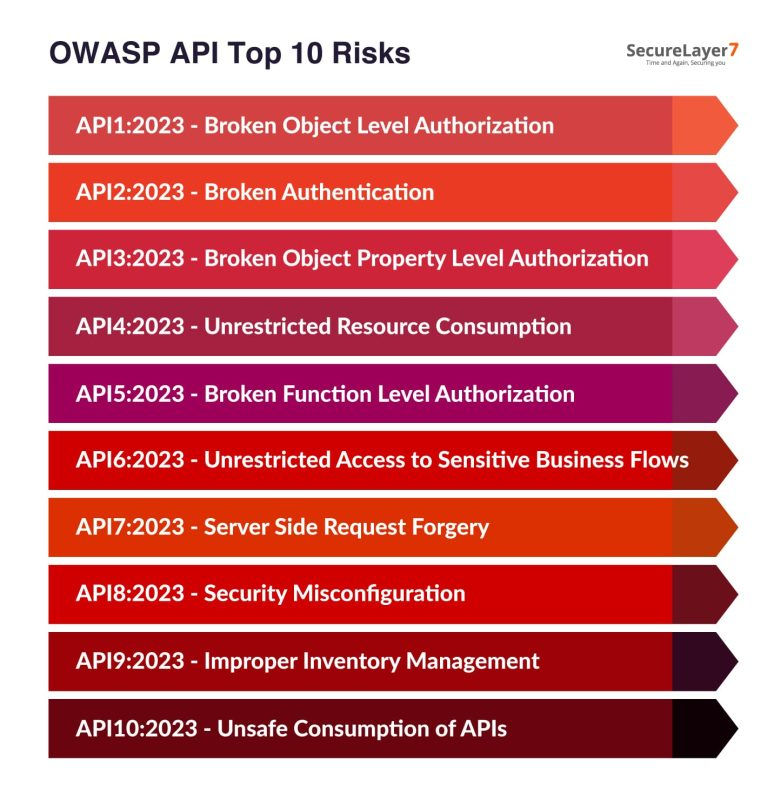
Adopt the OWASP API Security Top 10
The OWASP API Security project remains the gold standard for understanding and mitigating API risks. In 2026, focus has shifted heavily toward Unsafe Consumption of APIs and Broken Automated Business Logic.
Automate SBOM Generation and Validation
Integrate SBOM creation into the CI/CD pipeline. Every build should produce a signed SBOM that is cryptographically verified before deployment.
Zero Trust for Third-Party Components
Treat every third-party library as potentially untrusted. Use "reachability analysis" to determine if a vulnerable component is actually accessible and exploitable within your specific application context.
In 2026, the goal of cybersecurity has shifted from "perfect protection" to "verifiable confidence." By securing APIs and demanding transparency in the software supply chain through SBOMs, organizations can build resilient systems that are capable of withstanding the sophisticated threats of the modern era.
The mandate is clear: understand your connections, know your components, and embrace transparency as your strongest defense.
References
Comments