


Google I/O 2026: Ushering in an Era of Ambient Intelligence with Gemini 4, Android as an Intelligence System, and XR Glasses

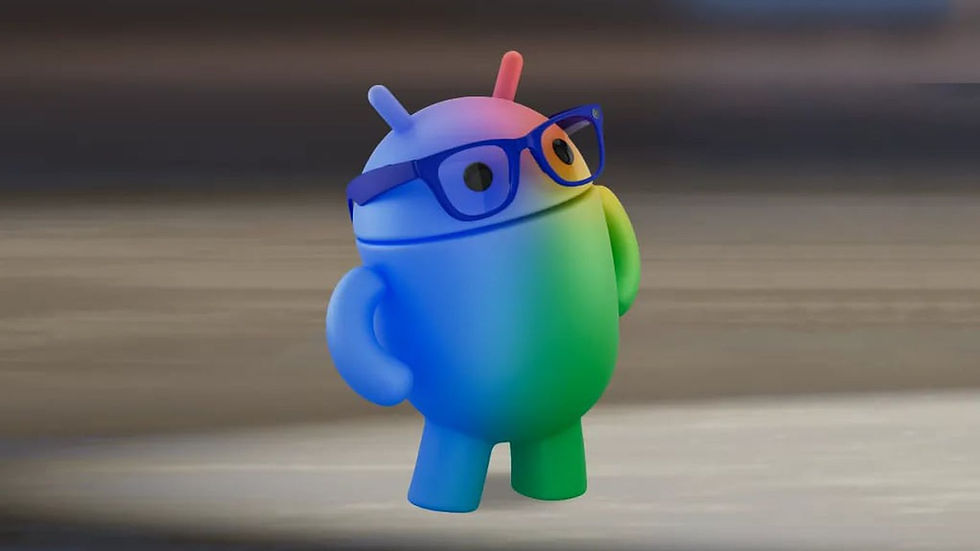
Google I/O 2026, the annual developer conference, commenced on May 19, 2026, setting the technological trajectory for the company with a profound emphasis on artificial intelligence, operating systems, and innovative devices. The two-day event, streamed live, showcased significant advancements, particularly in the realm of Gemini and the Android ecosystem. A central theme was Google's strategic initiative to re-architect core components of Android around Gemini Intelligence, transforming it into a sophisticated agent capable of seamless inter-app navigation, on-screen comprehension, and the execution of complex multi-step tasks. Concurrently, the conference provided a deeper look into the future of extended reality with the unveiling of Android XR glasses, signaling a new frontier in human-computer interaction.
Gemini 4: The Evolution of AI Agents
Gemini 4 stands at the forefront of Google's AI ambitions, representing a significant leap in large language model capabilities. While specific technical details of Gemini 4's architecture were eagerly anticipated, the discussions at Google I/O 2026 highlighted its enhanced multimodal understanding and expanded context window. Previous iterations of Gemini already boasted a 1 million token context window, enabling the processing of extensive textual and code data [1]. Gemini 4 is expected to push these boundaries further, potentially reaching context windows of 2 million tokens or more, alongside a massive increase in parameters, facilitating more nuanced and comprehensive problem-solving [2].
The essence of Gemini 4 lies in its ability to act as a full AI agent. This means moving beyond mere conversational capabilities to actively performing tasks across various applications and understanding complex user intentions. The integration of Gemini Intelligence into Android is a testament to this vision, allowing the AI to function as a proactive assistant rather than a reactive tool. This agentic behavior is designed to streamline workflows and automate intricate processes, as exemplified by scenarios such as reviewing guest lists, curating menus, adding ingredients to shopping carts, and seeking user confirmation before finalizing purchases.

Android as an Intelligence System
The most transformative announcement concerning Android at I/O 2026 was its evolution into an “intelligence system.” This paradigm shift positions Android not merely as an operating system, but as a deeply integrated platform where AI, powered by Gemini, acts as a central orchestrator of user experience. The goal is to make smartphone interaction more intuitive, proactive, and less reliant on explicit user commands [3].
Key features introduced to support this vision include:
Gemini Intelligence for Task Automation: This enables Android to understand on-screen content and move between applications to complete complex tasks. The example provided in the prompt—reviewing a guest list, creating a menu, adding ingredients to Instacart, and seeking user confirmation—illustrates the depth of this automation. This represents a significant step towards a truly agentic mobile experience, where the AI anticipates needs and executes multi-step processes autonomously [3].
Magic Pointer: Initially showcased as a feature for Googlebooks (a new category of laptops with Gemini at their core), Magic Pointer is an AI-aware cursor that understands context based on what it's pointing at on the screen. It can extract information from emails or even combine images. Google has confirmed that Magic Pointer will also be coming to Google Chrome on Mac and Windows, extending its utility beyond the Googlebook ecosystem [4].
Pause Point:Addressing the growing concern of digital distraction, Android 17 introduces Pause Point. This feature, distinct from Digital Wellbeing, intervenes when a user attempts to access a designated distracting app. Instead of simply freezing the app, Pause Point presents a 10-second timer, offering breathing exercises, alternative activities, or the option to set a timer for app usage. This feature aims to foster more intentional smartphone use and combat mindless scrolling [3].
Custom Widget Creation: Gemini Intelligence empowers users to describe their desired widget, and Gemini will then build it. This feature, while not entirely novel (similar functionality was launched by Nothing on its phones earlier in the year), offers a personalized approach to customizing the Android experience, allowing users to address specific needs and preferences [3].
Privacy by Design: Google emphasizes that Gemini Intelligence is being developed with privacy at its core. Users will retain control over their data, deciding when to automate actions, connect apps, enable features like Gemini in Autofill, and grant access to peripherals such as the camera [3].
Enhanced App Automation with Android AppFunctions: To further expand and enhance app automation, Google is actively engaging developers with Android AppFunctions. This initiative allows developers to enable richer interactions within their applications, facilitating seamless task completion without direct user intervention. This move hints at a future where interactions with AI agents might become more prevalent than direct app usage [3].
Redesigned Emojis: A smaller yet significant update in Android 17 is the introduction of redesigned emojis. Addressing long-standing user feedback regarding the flat appearance of Android emojis, the new designs will feature a more 3D-like aesthetic, aligning with the visual style seen on iPhones [3].
Googlebooks: A new category of laptops, Googlebooks, were also highlighted, built with Gemini's helpfulness at their core. These devices are designed to work seamlessly with other devices and are powered by premium hardware. Google is partnering with manufacturers like Acer, ASUS, Dell, HP, and Lenovo, and these devices will run on an Android/ChromeOS hybrid known as Aluminum OS. Qualcomm and MediaTek will be powering these new devices, promising long battery life, strong performance, and powerful AI capabilities [4].

Android XR Glasses: A Glimpse into the Future of Extended Reality
Google I/O 2026 also served as a pivotal platform for showcasing the advancements in Android XR glasses. After years of anticipation, Google confirmed a dedicated preview of these smart glasses, signaling their imminent arrival. While full details are still emerging, the emphasis is on a seamless integration of augmented reality (AR) and virtual reality (VR) experiences, powered by the Android XR platform [5].
The potential applications of Android XR glasses are vast, ranging from enhanced navigation and contextual information overlays to immersive entertainment and productivity tools. Early insights suggest features like an "eye-level camera" that can understand what the user sees and transmit that information to their phone, enabling real-time translation or contextual search without needing to reach for a device [3]. The integration of Gemini Intelligence into these glasses is expected to be a key differentiator, providing a highly responsive and context-aware AI assistant directly within the user's field of view.
The development of Android XR glasses is a collaborative effort, with Google partnering with hardware manufacturers like Samsung to bring these devices to market. The focus is on creating lightweight, stylish, and highly functional smart glasses that can seamlessly integrate into daily life, moving beyond the limitations of previous iterations like Google Glass [6].

Google I/O 2026 has clearly delineated Google's vision for the future: a world where artificial intelligence is not just a tool, but an ambient, intelligent system that seamlessly orchestrates our digital lives. The introduction of Gemini 4, the transformation of Android into an intelligence system, and the preview of Android XR glasses all point towards a more intuitive, proactive, and immersive technological landscape. As these technologies mature and become widely available, they have the potential to fundamentally alter how we interact with our devices and the world around us, ushering in an era of unprecedented convenience and capability.
References
[1] Google Cloud. (n.d.). Gemini in Pro and long context — power file & code analysis. Retrieved from https://gemini.google/overview/long-context/
[2] YouTube. (2026, April 9). Gemini 4 Explained: 2M+ Context, Trillion Params & Full AI Agents. Retrieved from https://www.youtube.com/watch?v=JtciOvNU5Es
[3] Android Central. (2026, May 18). Google I/O 2026 Live Blog: Android 17, Android XR glasses, and all the Gemini AI news. Retrieved from https://www.androidcentral.com/phones/live/google-i-o-2026-live-blog-android-17-android-xr-glasses-and-all-the-gemini-ai-news
[4] Engadget. (n.d.). Everything announced at The Android Show: I/O 2026 edition. Retrieved from https://www.engadget.com/2171038/everything-announced-at-android-show-google-io-2026/
[5] Tech Times. (2026, May 15). Google Brings Android XR Glasses to I/O 2026 as Smart Glasses Face Privacy Reckoning. Retrieved from https://www.techtimes.com/articles/316697/20260515/google-brings-android-xr-glasses-i-o-2026-smart-glasses-face-privacy-reckoning.htm
[6] Android Authority. (2026, May 17). We're about to witness a critical moment for Google's smart glasses. Retrieved from https://www.androidauthority.com/critical-moment-google-android-xr-glasses-io-2026-3667684/
Comments