


Biotechnology & AI: Reviving Extinct Genes for Future Resilience

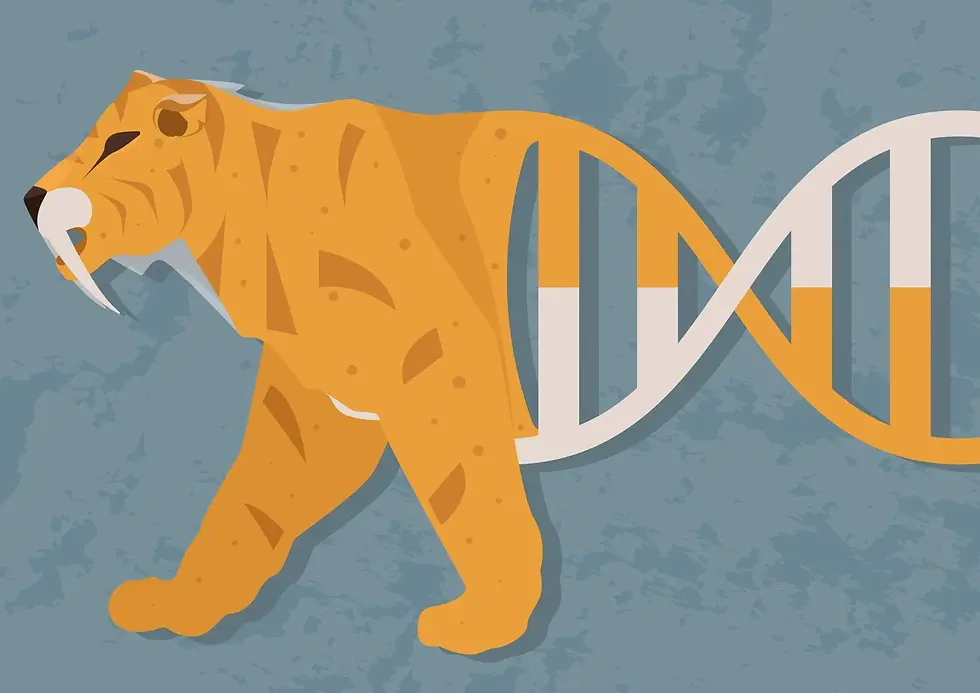
The intersection of Artificial Intelligence (AI) and Biotechnology is currently witnessing one of the most ambitious scientific endeavors in human history: the systematic recovery and analysis of genetic information from extinct species. According to recent reports from the MIT Technology Review, the proliferation of "genetic banks" containing sequences from long-dead creatures is no longer a matter of science fiction. This "gene resurrection" technology is opening unprecedented doors to new medical treatments, the protection of endangered species, and the creation of crops resilient to the escalating climate crisis.
The Rise of Paleogenomic Databases
The foundation of this revolution lies in the massive accumulation of ancient DNA (aDNA) data. Biotechnology has made it possible for scientists to retrieve and sequence genes that are millions of years old, sourced from museum specimens, frozen remains in the tundra, and archaeological skeletons. These "genetic time machines" have expanded significantly, now including the complete or partial genomes of iconic species such as the woolly mammoth, the dodo bird, and the dire wolf.
Key Component | Description | Impact |
Ancient DNA (aDNA) | Genetic material recovered from biological remains that have not been preserved specifically for genetic analysis. | Provides a blueprint of evolutionary adaptations that have been lost over millennia. |
AI-Driven Sequencing | Machine learning algorithms that reconstruct fragmented DNA sequences. | Accelerates the decoding of highly degraded genetic material with high precision. |
Genetic Banks | Digital and physical repositories of extinct and endangered species' genomes. | Serves as a "biological backup" for the planet's biodiversity. |
Biotechnology: Medical Breakthroughs from the Past
One of the most promising applications of this technology is in the field of human medicine. By studying the genetic history of our ancestors and their extinct relatives, researchers are identifying lost biological mechanisms that could treat modern diseases.
For instance, researchers at Georgia State University recently investigated an enzyme that humans and other apes lost millions of years ago. The absence of this enzyme in the modern human body is a primary cause of gout, a painful inflammatory joint disease. By using CRISPR gene-editing tools to reintroduce this "resurrected" enzyme into human liver cells in laboratory settings, scientists are paving the way for novel gene therapies.
"We are essentially looking at the evolutionary record as a library of solutions. If nature already solved a problem millions of years ago, we can use AI to find that solution and biotechnology to bring it back." — Scientific Consensus on Paleomedicine

Protecting Biodiversity and Species Revival
Beyond human health, biotechnology is being deployed to save species currently on the brink of extinction. Organizations like Revive & Restore and companies like Colossal Biosciences are leading the charge in "de-extinction" and genetic rescue.
Genetic Diversity Recovery: For species like the black-footed ferret, which suffer from extremely limited gene pools, cloning from decades-old frozen cells has reintroduced genetic variations that were thought to be lost forever.
Climate Adaptation: By studying the genomes of creatures that survived extreme prehistoric climate shifts, scientists hope to identify genes that can be transferred to modern species to help them endure rising temperatures.
Ecosystem Restoration: The reintroduction of "proxy" species—modern animals engineered with key traits of extinct ones, such as a cold-resistant elephant acting as a mammoth—could help restore vital ecological functions in environments like the Arctic tundra.
Agriculture and Climate Resilience
The climate crisis poses a direct threat to global food security. Here, the genetic information of ancient plants offers a lifeline. Many wild ancestors of modern crops possessed natural resistances to drought, pests, and extreme heat—traits that were lost during centuries of intensive domestication.
By using AI to scan ancient botanical genomes, biotechnologists are identifying these "resilience genes." Integrating these sequences into modern wheat, rice, and corn varieties could create a new generation of climate-hardy crops capable of thriving in a warming world without the need for excessive chemical interventions.

Ethical Considerations and the Path Forward
While the potential is immense, the "resurrection" of genetic information raises significant ethical questions. Critics argue about the "patentability" of resurrected genes and the potential ecological disruptions of reintroducing extinct traits. Furthermore, the distinction between a "true" extinct species and a "genetically modified proxy" remains a subject of intense debate.
However, the momentum of IA-driven biotechnology seems unstoppable. As we continue to decode the secrets of the past, we are not just looking back in curiosity; we are actively harvesting the biological wisdom of history to build a more resilient and healthy future.
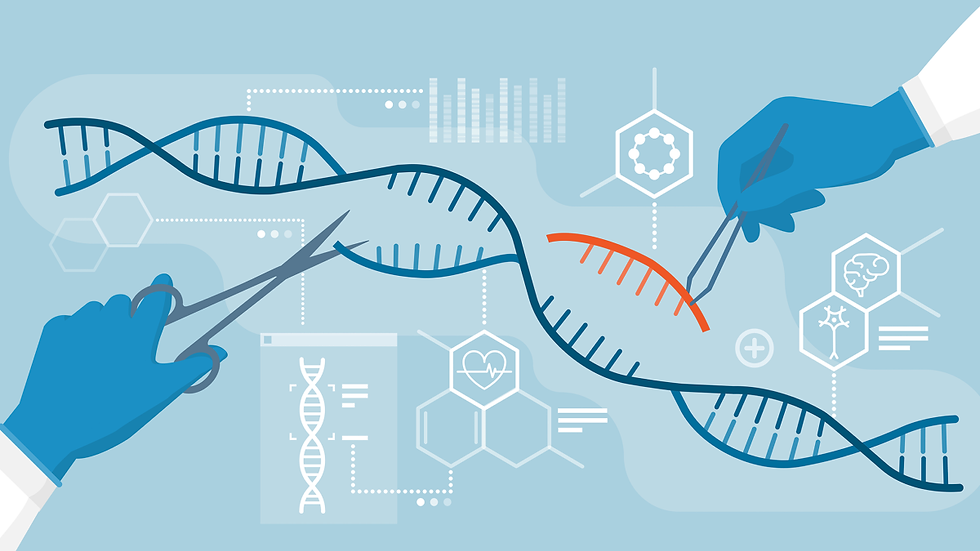
The work highlighted by the MIT Technology Review underscores a fundamental shift in our relationship with biological history. No longer is extinction a definitive end. Through the synergy of Artificial Intelligence and Advanced Biotechnology, the genetic information of the past is becoming a vital resource for the present. Whether it is curing chronic diseases, saving the last of our endangered wildlife, or securing our food supply against climate change, the "resurrection" of genes is proving to be one of the most powerful tools in the modern scientific arsenal.
Comments