


Everything-to-Grid (E2G) Technology: Smart Grids Absorbing Stored Energy from EVs and Home Batteries

The global energy scenario is undergoing a profound transformation, driven by the urgent need for decarbonization and the increasing integration of renewable energy sources. However, the inherent intermittency of renewables like solar and wind power poses significant challenges to grid stability. In response, innovative solutions are emerging to create more resilient and flexible energy systems. Among these, Everything-to-Grid (E2G) technology stands out as a pivotal concept, enabling smart grids to harness stored energy from a multitude of distributed sources, including electric vehicles (EVs) and home batteries, to balance demand and supply and mitigate peak loads.
The Evolution of Grid Integration: From V2G to E2G
The concept of E2G builds upon earlier advancements in bidirectional energy flow, most notably Vehicle-to-Grid (V2G). V2G technology allows electric vehicles to not only draw power from the grid for charging but also to export stored energy back to the grid when needed. This bidirectional capability transforms EVs from mere consumers into active participants in the energy ecosystem, effectively turning them into mobile energy storage units. [1]
V2G is a subset of a broader category known as Vehicle-to-Everything (V2X), which encompasses various applications where EVs interact with external entities. These include:
Vehicle-to-Home (V2H): Powering a home with energy stored in an EV battery.
Vehicle-to-Building (V2B): Supplying power to a building from an EV fleet.
Vehicle-to-Load (V2L): Directly powering electrical appliances or tools from an EV.
While V2G primarily focuses on the interaction between EVs and the main electricity grid, E2G expands this paradigm to include virtually all forms of distributed energy storage. This includes not only EVs but also stationary home batteries (often referred to as Battery-to-Grid, or B2G, in this context), industrial battery storage systems, and even smaller consumer electronics. The World Economic Forum recognized E2G as one of the Top 10 Emerging Technologies of 2026, highlighting its potential to revolutionize energy management. [2]
How E2G Works: Orchestrating Distributed Energy Resources
At its core, E2G technology relies on advanced communication and control systems within a smart grid infrastructure. These systems monitor real-time energy demand and supply, identifying periods of high demand (peak loads) or surplus renewable energy generation. When the grid experiences a peak, E2G systems can intelligently dispatch stored energy from connected EVs and home batteries back into the grid. Conversely, during periods of low demand or abundant renewable generation, these devices can be charged, effectively storing excess energy for later use.
This dynamic interplay offers several critical benefits:
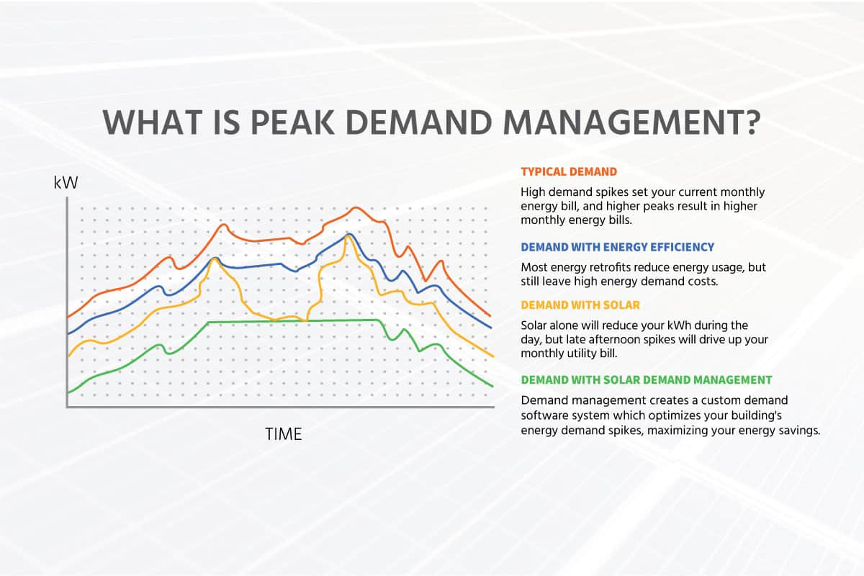
Peak Demand Management: By discharging stored energy during peak hours, E2G helps flatten the demand curve, reducing the strain on conventional power plants and potentially lowering electricity costs for consumers.
Grid Stabilization: E2G provides ancillary services to the grid, such as frequency regulation and voltage support, enhancing overall grid stability and reliability.
Integration of Renewables: It facilitates a higher penetration of intermittent renewable energy sources by providing flexible storage capacity to absorb excess generation and release it when needed.
Economic Benefits for Owners: EV and home battery owners can be incentivized to participate in E2G programs through financial rewards, such as payments for energy supplied to the grid or reduced electricity bills.
The implementation of E2G often involves the aggregation of numerous distributed energy resources into Virtual Power Plants (VPPs). VPPs act as a single, coordinated entity, managing the collective charging and discharging of connected devices to provide grid services, much like a traditional power plant but with distributed assets. [3]
Visualizing E2G in Action
To better understand the mechanisms of E2G and its components, consider the following visual aids:
V2G Bidirectional Power Flow
This diagram illustrates how an electric vehicle can both draw power from and supply power to the grid, often incorporating renewable energy sources like solar panels.

Levels of Grid Interface (V2X)
This infographic expands on the V2X concept, showing various interactions including V2G, V2H, V2B, and V2V (Vehicle-to-Vehicle).

Peak Demand Management
This chart demonstrates how E2G and similar demand response strategies can flatten peak demand curves, reducing stress on the grid.
Challenges and Future Outlook
Despite its immense potential, the widespread adoption of E2G technology faces several challenges:
Standardization: The lack of universal standards for bidirectional charging hardware and communication protocols can hinder interoperability between different EV models, charging stations, and grid systems.
Battery Degradation: Concerns about the impact of frequent charging and discharging cycles on EV battery life need to be addressed through advanced battery management systems and appropriate compensation mechanisms for owners.
Regulatory Frameworks: Existing energy regulations and market structures may not be fully adapted to accommodate the dynamic nature of E2G, requiring policy updates and new business models.
Cybersecurity: As more devices connect to the grid, ensuring the cybersecurity of E2G systems becomes paramount to prevent malicious attacks and maintain grid integrity.
Nevertheless, the momentum behind E2G is growing. Governments, utilities, and automotive manufacturers are investing heavily in pilot projects and research to overcome these hurdles. As renewable energy penetration increases and EV adoption accelerates, E2G is poised to become a cornerstone of future smart grids, offering a pathway to a more sustainable, resilient, and efficient energy system.
References
Virta.global - Vehicle-to-Grid (V2G): Everything you need to know
World Economic Forum - Top 10 Emerging Technologies of 2026
GridX.ai - What is a virtual power plant (VPP)
Videos References
Video 1: An explanation of Vehicle-to-Grid technology and its benefits [Source: YouTube - Vehicle To Grid: Is the Future of Energy in Your Garage?].
Watch Video: https://www.youtube.com/watch?v=sc5mN3VhB6U
Video 2: The World Economic Forum's overview of Everything-to-Grid as a top emerging technology [Source: YouTube - Your Car Can Now Pay Your Rent: Inside the 2026 Energy Revolution].
Watch Video: https://www.youtube.com/watch?v=H77r75fzfg8
Comments